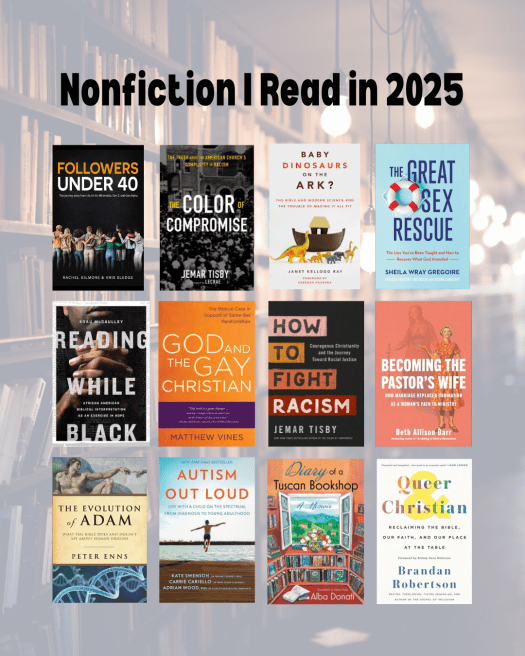
I don’t read a ton of nonfiction, but I set myself a goal at the beginning of 2025 to read at least 12 nonfiction books over the course of the year.
My plan was to read one each month, and I kept pretty close to that plan. I doubled up one month and missed one month, so it evened out to 12 total for the year. Most of them were related to Christianity, but I did also read one memoir and one autism-related book. Here’s a breakdown by month:
January – Followers Under 40: The journey away from church for Millenials, Gen Z, and Gen Alpha by Rachel Gilmore and Kris Sledge
February – The Color of Compromise: The Truth about the American Church’s Complicity in Racism by Jemar Tisby
March – Baby Dinosaurs on the Ark?: The Bible and Modern Science and the Trouble of Making It All Fit by Janet Kellogg Ray
April – The Great Sex Rescue: The Lies You’ve Been Taught and How to Recover What God Intended by Sheila Wray Gregoire, Rebecca Gregoire Lindenbach, and Joanna Sawatsky
May – Reading While Black: African American Biblical Interpretation as an Exercise in Hope by Esau McCaulley
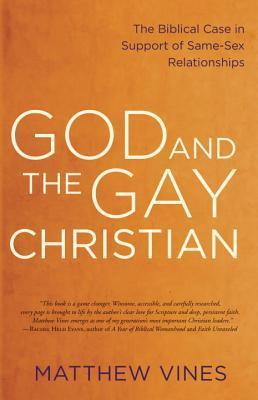
June #1 – God and the Gay Christian: The Biblical Case in Support of Same-Sex Relationships by Matthew Vine
June #2 – How to Fight Racism: Courageous Christianity and the Journey Toward Racial Justice by Jemar Tisby
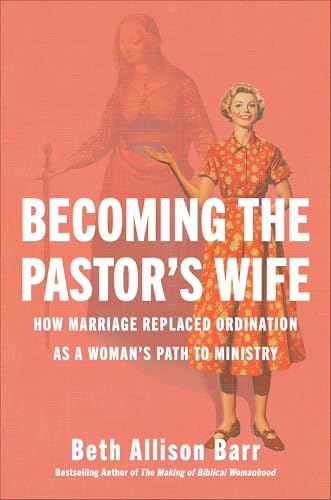
July – Becoming the Pastor’s Wife: How Marriage Replaced Ordination as a Woman’s Path to Ministry by Beth Allison Barr
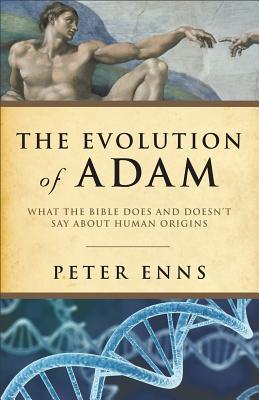
August – The Evolution of Adam: What the Bible Does and Doesn’t Say about Human Origins by Peter Enns
September – Autism Out Loud: Life with a Child on the Spectrum, from Diagnosis to Young Adulthood by Kate Swenson, Adrian Wood, and Carrie Cariello
October – I missed this month, but thankfully I read two in June so I was still on track to meet my goal for the year!
November – Diary of a Tuscan Bookshop: A Memoir by Alba Donati
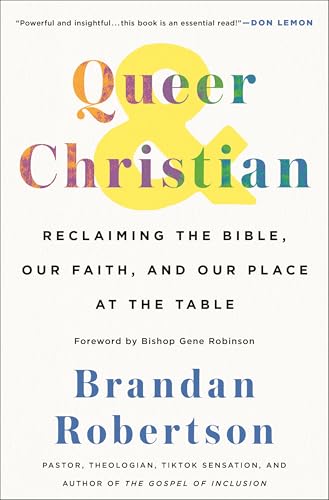
December – Queer & Christian: Reclaiming the Bible, Our Faith, and Our Place at the Table by Brandan Robertson
Do you read a lot of nonfiction? Were there any standouts this year?






 In So Many Words